Eaglenos Health is an integrated health management app based on accurate blood test data. It gives chronic disease patients personalized, reliable and long-term management throughout their treatment journey at home.
See the design →
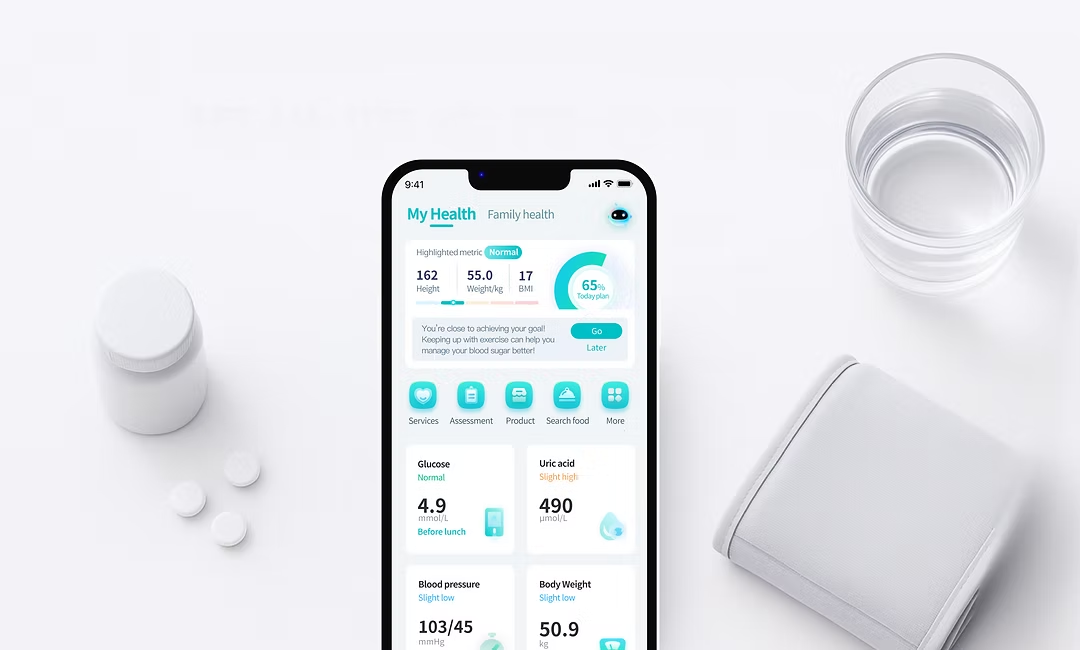
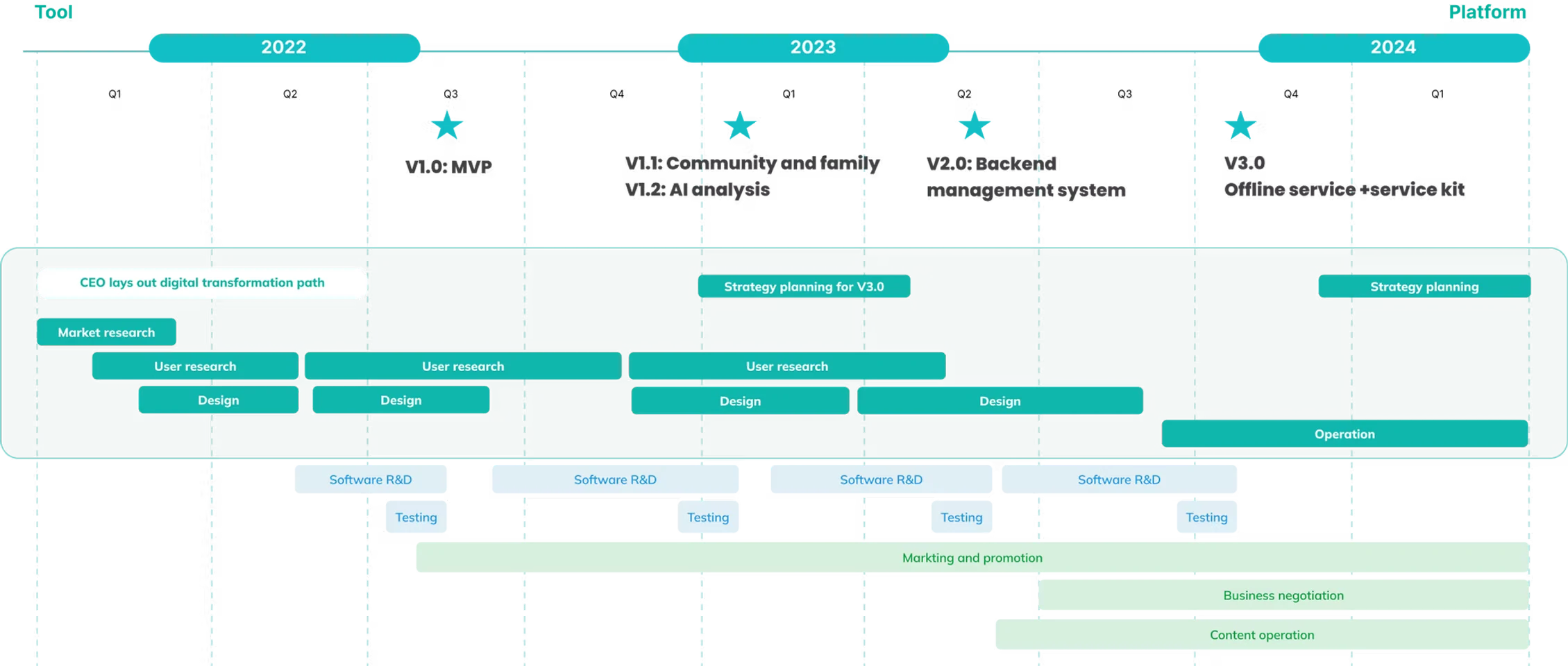
The challenge: build this product from zero, balancing business and user needs to create a sustainable digital health blueprint for Eaglenos, enabling long-term growth and future commercialization.
My contribution: as both product manager and product designer, my role was to act as the “mother” of this product — bring it to life from a vague idea by defining its roadmap and designing its functionality and user experience from scratch.
From MVP in Q3 2022 to a service platform in 2024, the product grew from a tool into the center of Eaglenos’s digital business.
Active users
First-year user growth
Company revenue growth
The user problem and the business problem point at the same missing piece: an ongoing, data-driven relationship between the patient and their health.
Fragmented data, unclear next steps, no continuous support

Patients with chronic conditions struggle with scattered health data and don’t know what to do next, making self-management overwhelming and ineffective.
One-time device sales, no long-term engagement
As a hardware-focused company, Eaglenos relies heavily on single purchases, lacking sustainable revenue streams and the engagement needed to differentiate in the medical device market.
It integrates metrics, delivers AI-powered insights, and drives long-term engagement through three design strategies, one for each thing patients told us they struggle with. Each becomes a design chapter below.


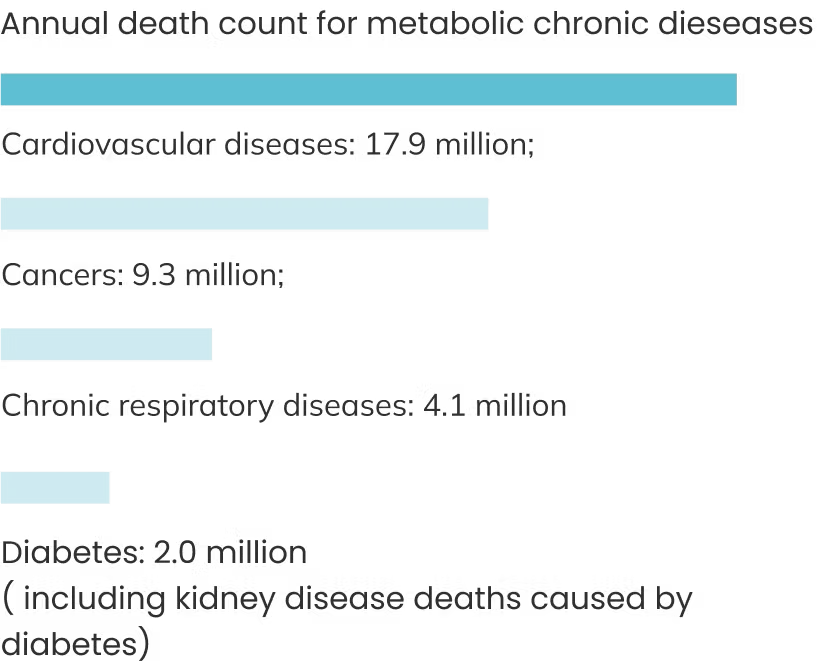
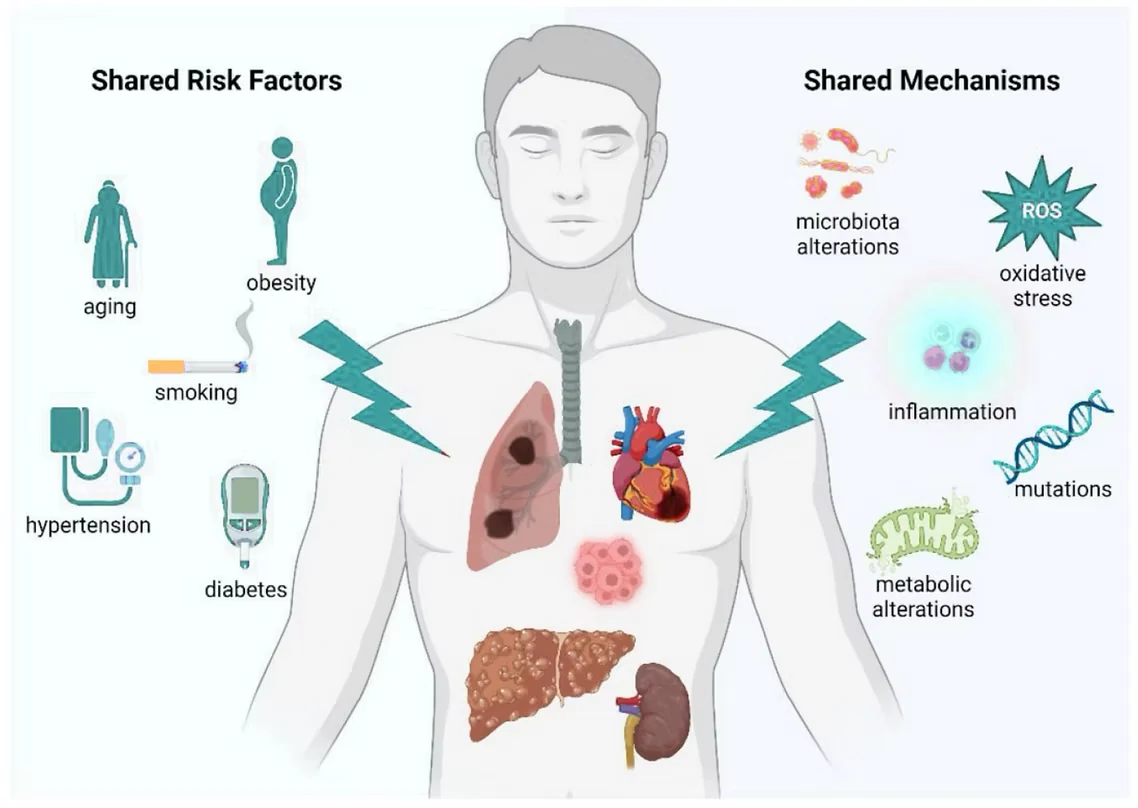
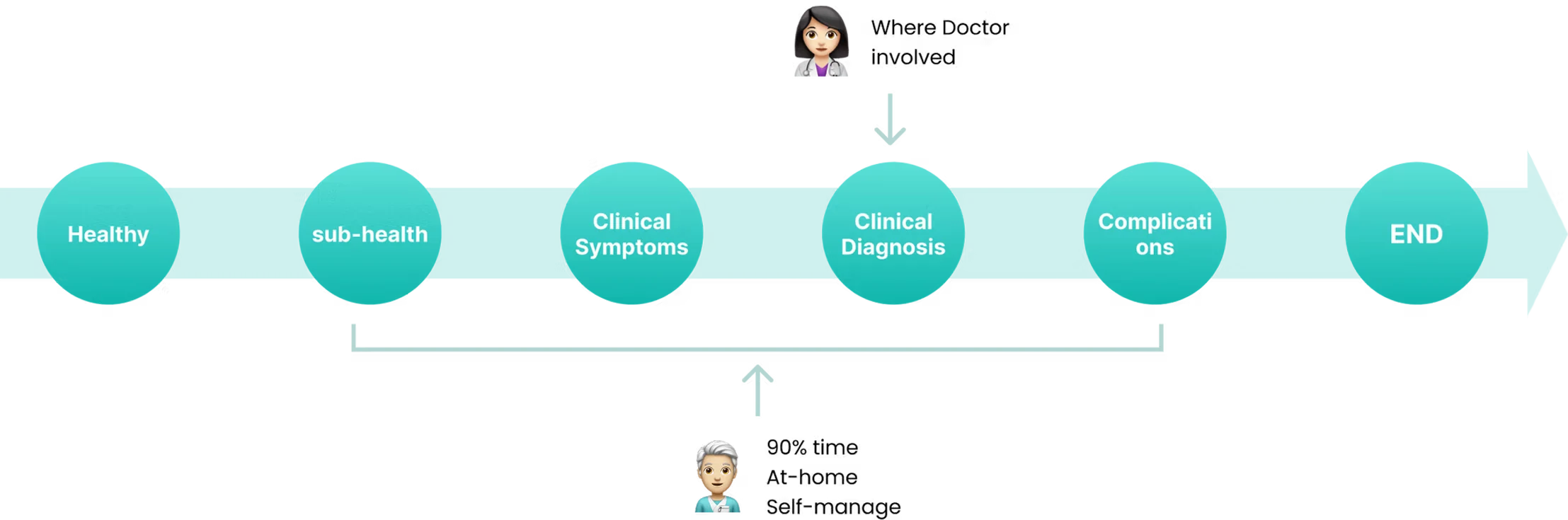
Metabolic chronic diseases share risk factors and mechanisms, and they are managed over a lifetime. Most of that time happens at home, not in a clinic.


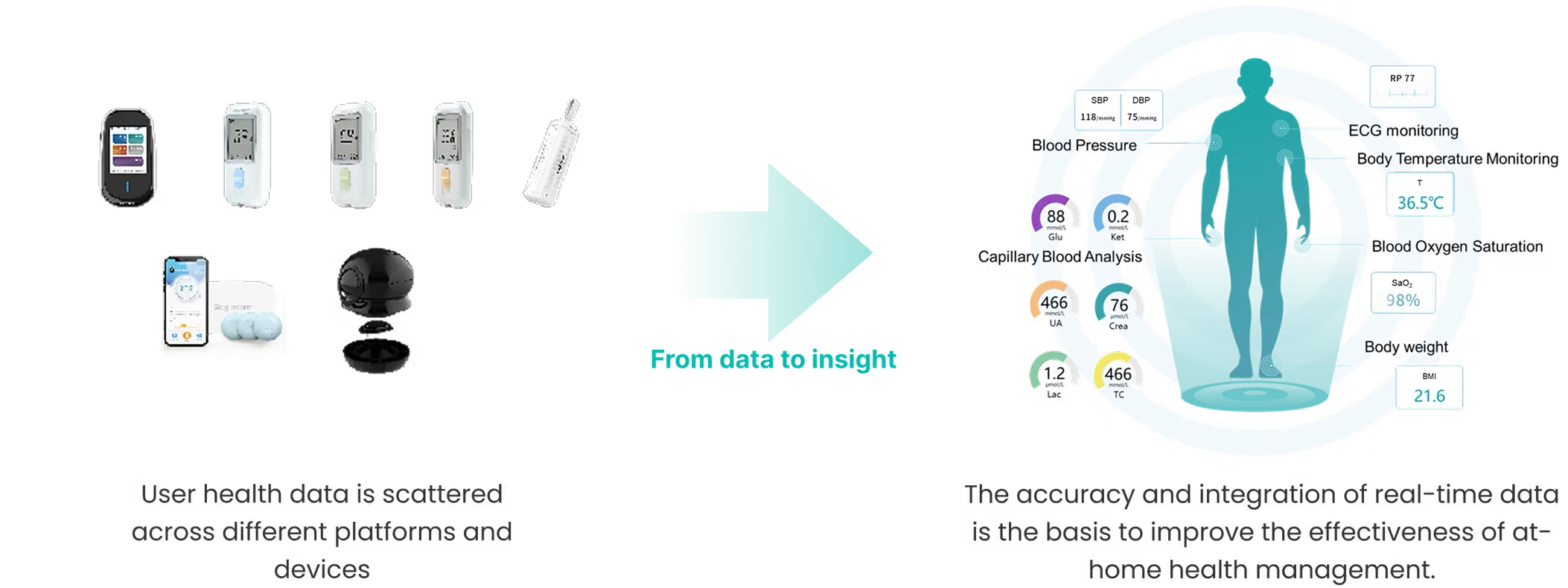
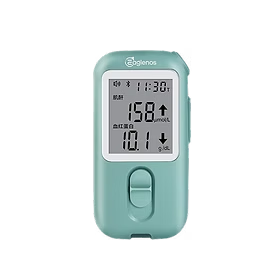
Eaglenos used to be a traditional medical device manufacturer; its point-of-care testing products are the collecting ends of data. Yet user health data is scattered across platforms and devices. Accurate, integrated real-time data is the basis for effective at-home health management.

National policies like Healthy China are accelerating digital health adoption and remote monitoring.
The digital healthcare market is growing rapidly, with a projected CAGR of 31.93%, far exceeding traditional medical devices.
An aging population and rising health awareness among consumers are driving demand for health solutions.
AI, precision medicine and biotechnology advances enable more personalized, predictive chronic disease management.
To get deep insight into needs in chronic disease management, we interviewed 20+ users and stakeholders: patients, family caregivers and endocrinologists. Three frictions came up again and again.
“What are your frictions when you manage your chronic disease independently at home?”Interview question
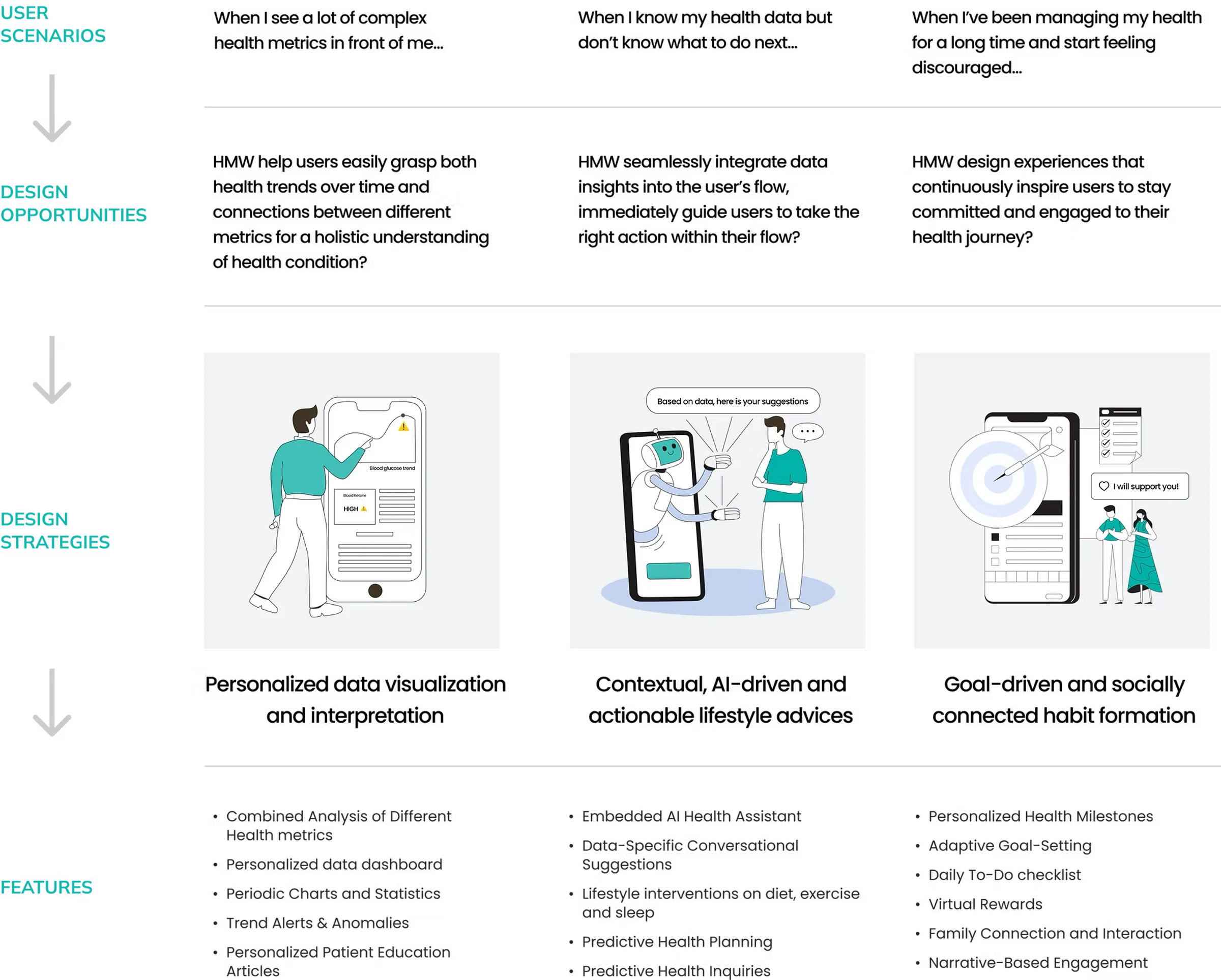
Numbers without medical knowledge stay numbers.
UnderstandA reading doesn’t translate into a next action.
ActLong-term commitment is hard to sustain alone.
Sustain
The market says the timing is right. Users told us what they struggle with. The gap between the two became our brief.
💡 How might we turn fragmented health data into an intelligent ecosystem that supports proactive, long-term self-management and drives business growth for Eaglenos?
Achieve visible health improvements by using the product.
Turn one-time device buyers into engaged, retained users, and build a scalable platform for future commercialization.
Each of the three frictions became a design opportunity, then a design strategy with its own feature set. Together they describe one proactive health management flow.

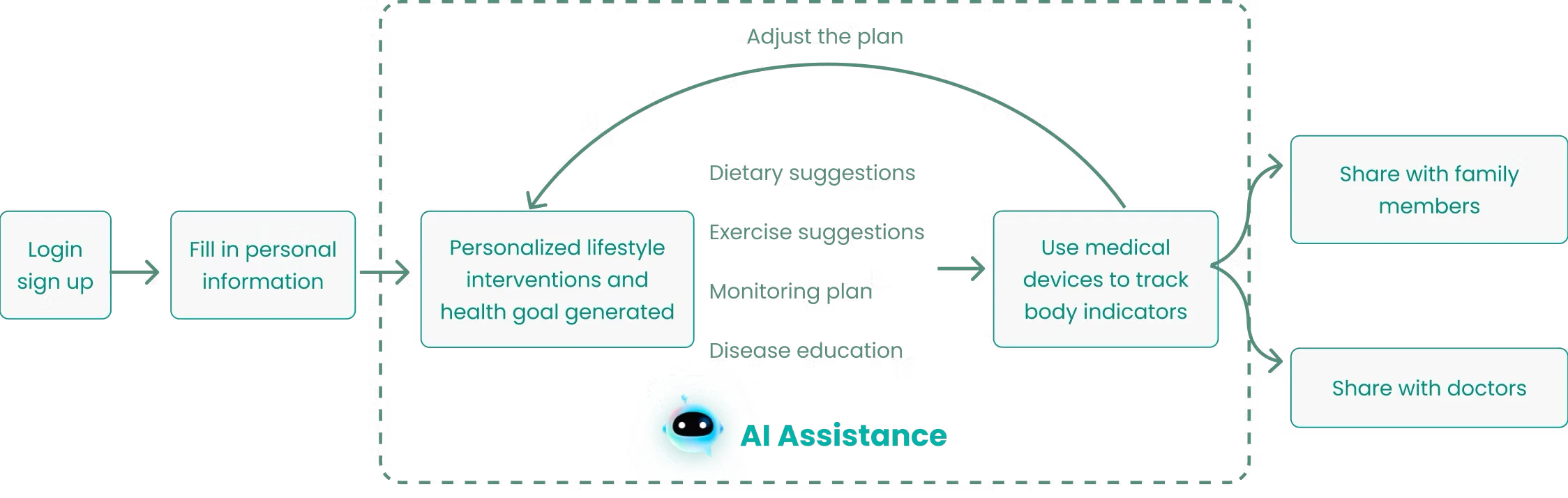
After sign-up and profile completion, a personalized lifestyle intervention and health goal are generated. Users track body indicators with medical devices, the plan adjusts with AI assistance, and results can be shared with family and doctors.

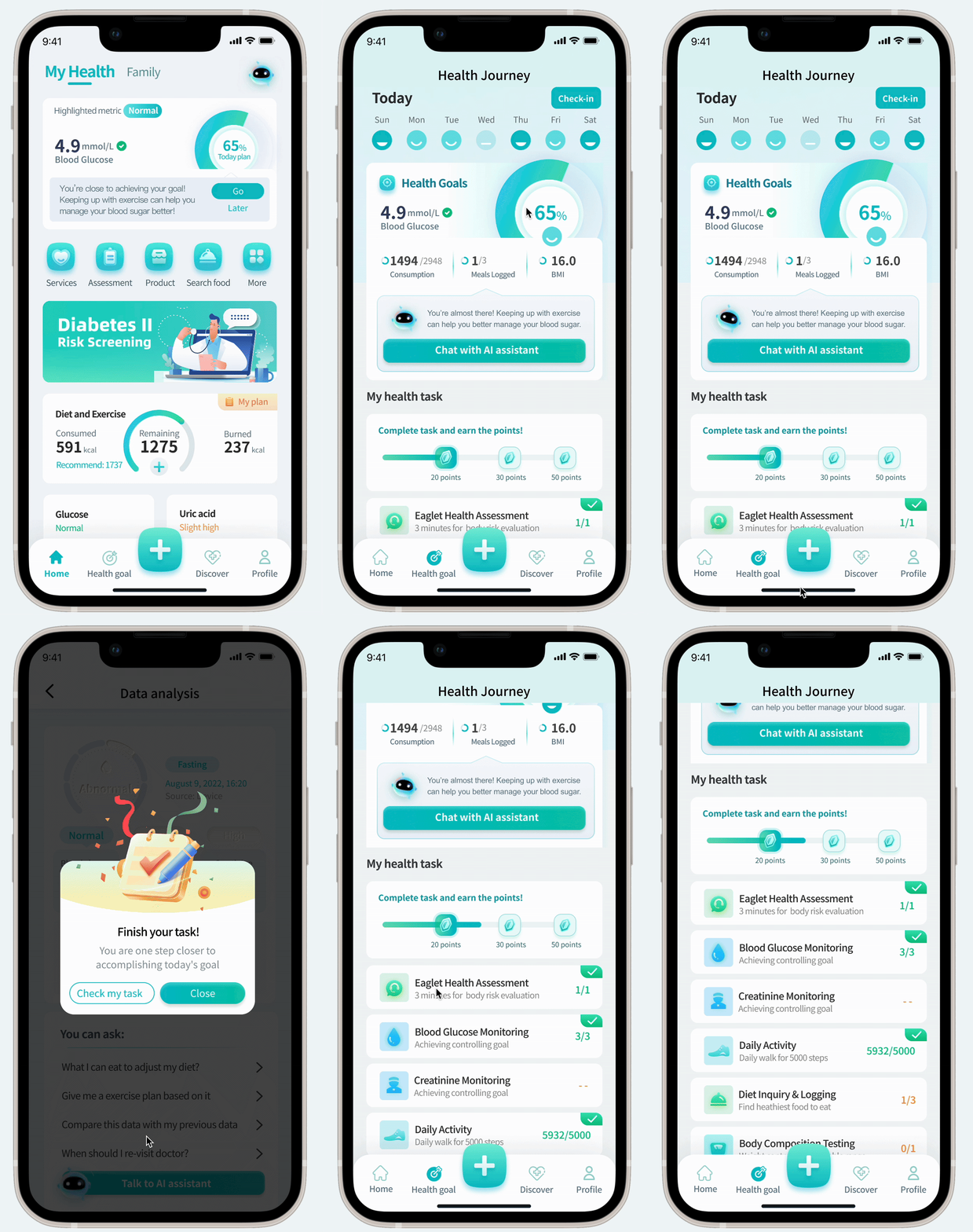
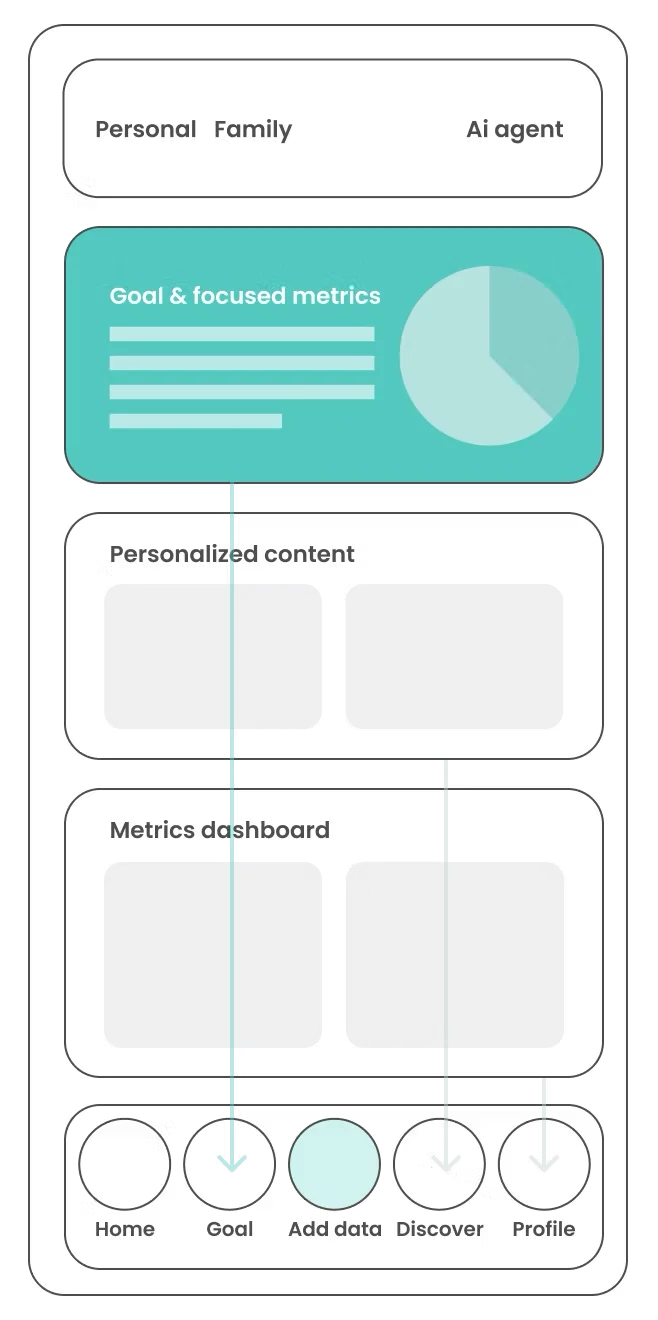
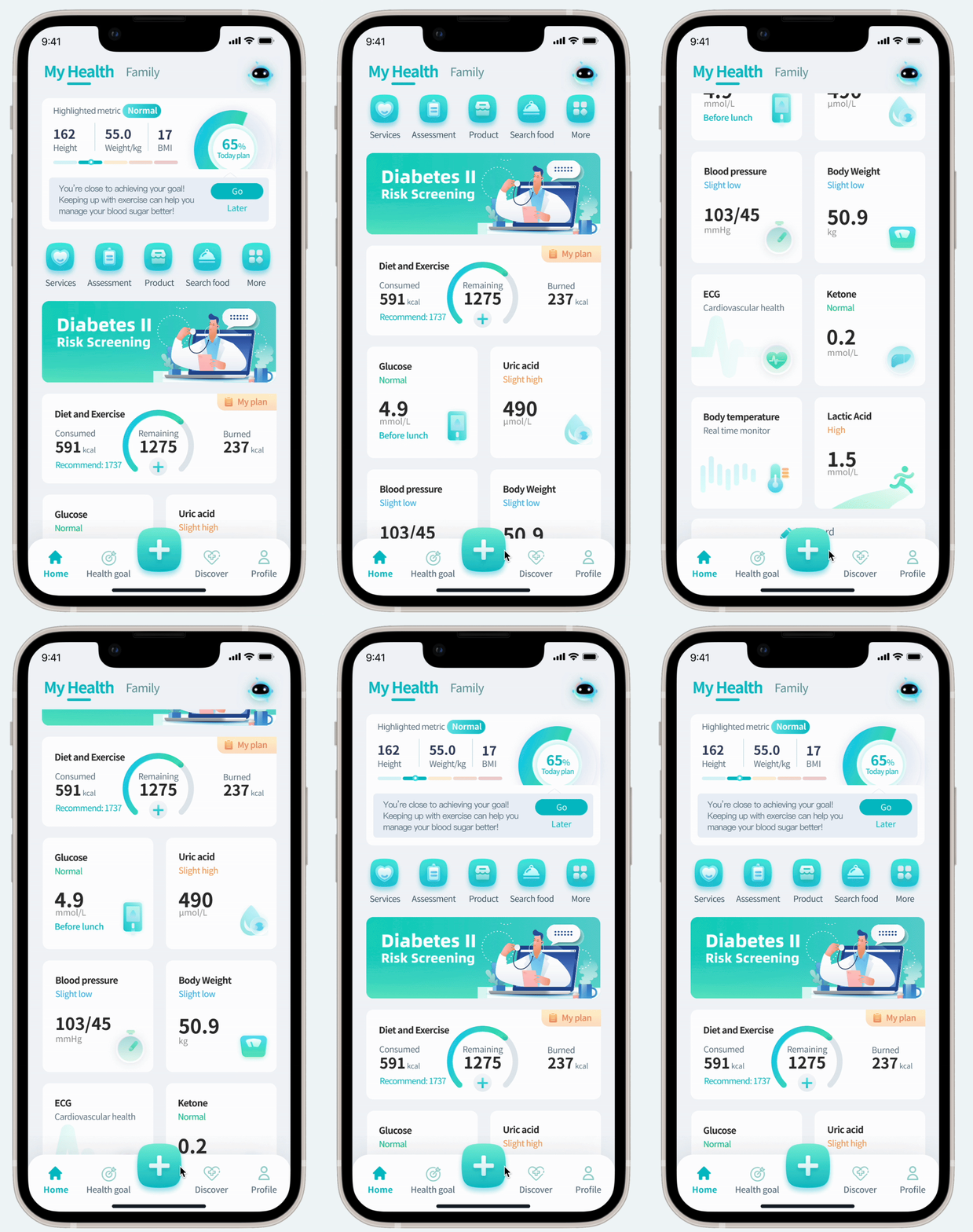
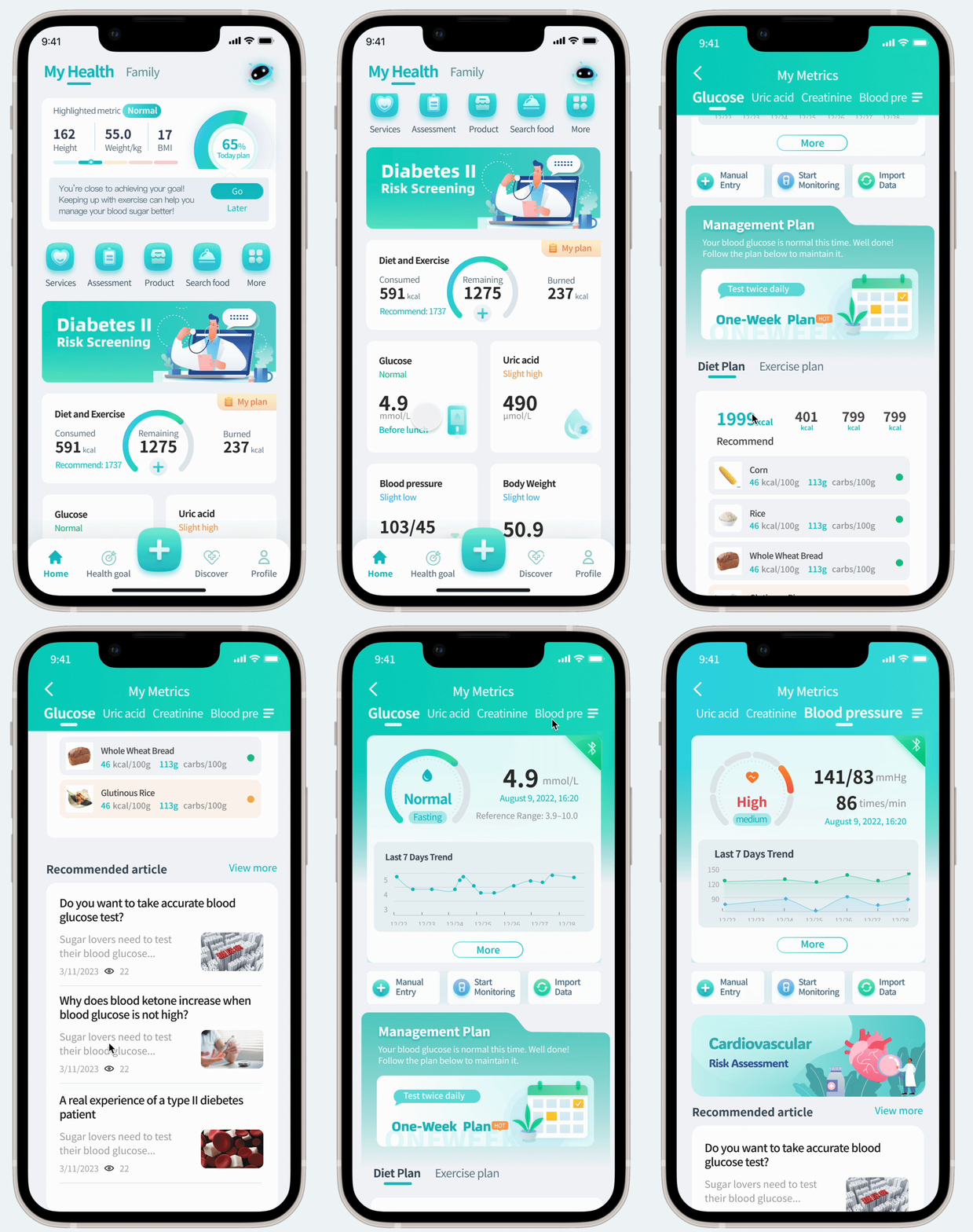
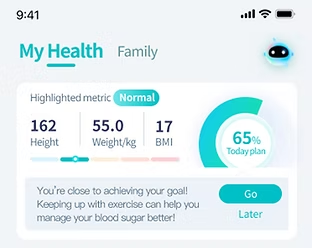
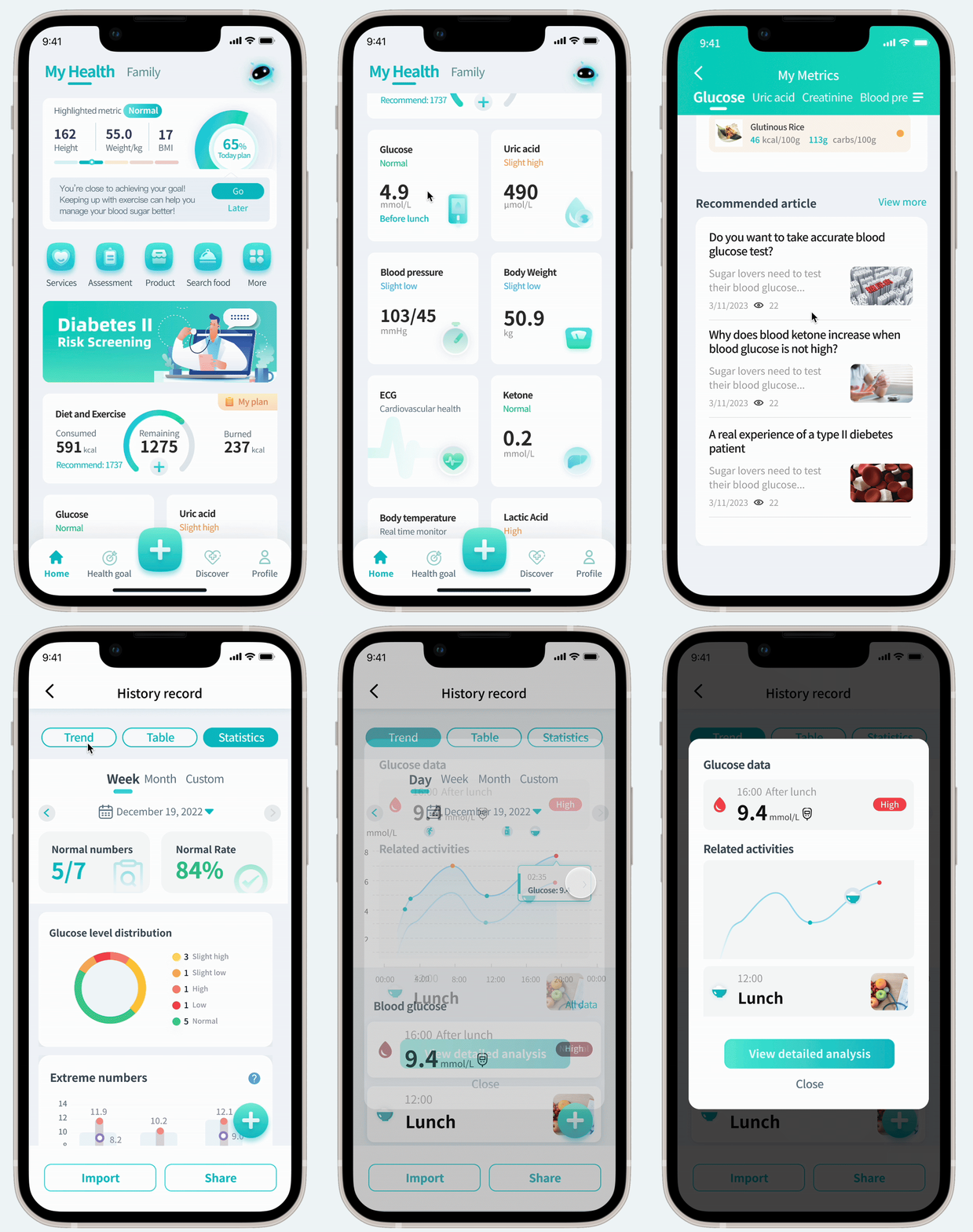
Users can find the majority of the information and functionality they need on the Home page, streamlining their experience and saving time. The home page then leads them to more detailed analysis.


Guide what to do today.
Supported education and features, configured in the operation system.
Lead users to detailed analysis.
Encourage users to record daily activities.
Answers “I don’t know what the complex data means to me.”
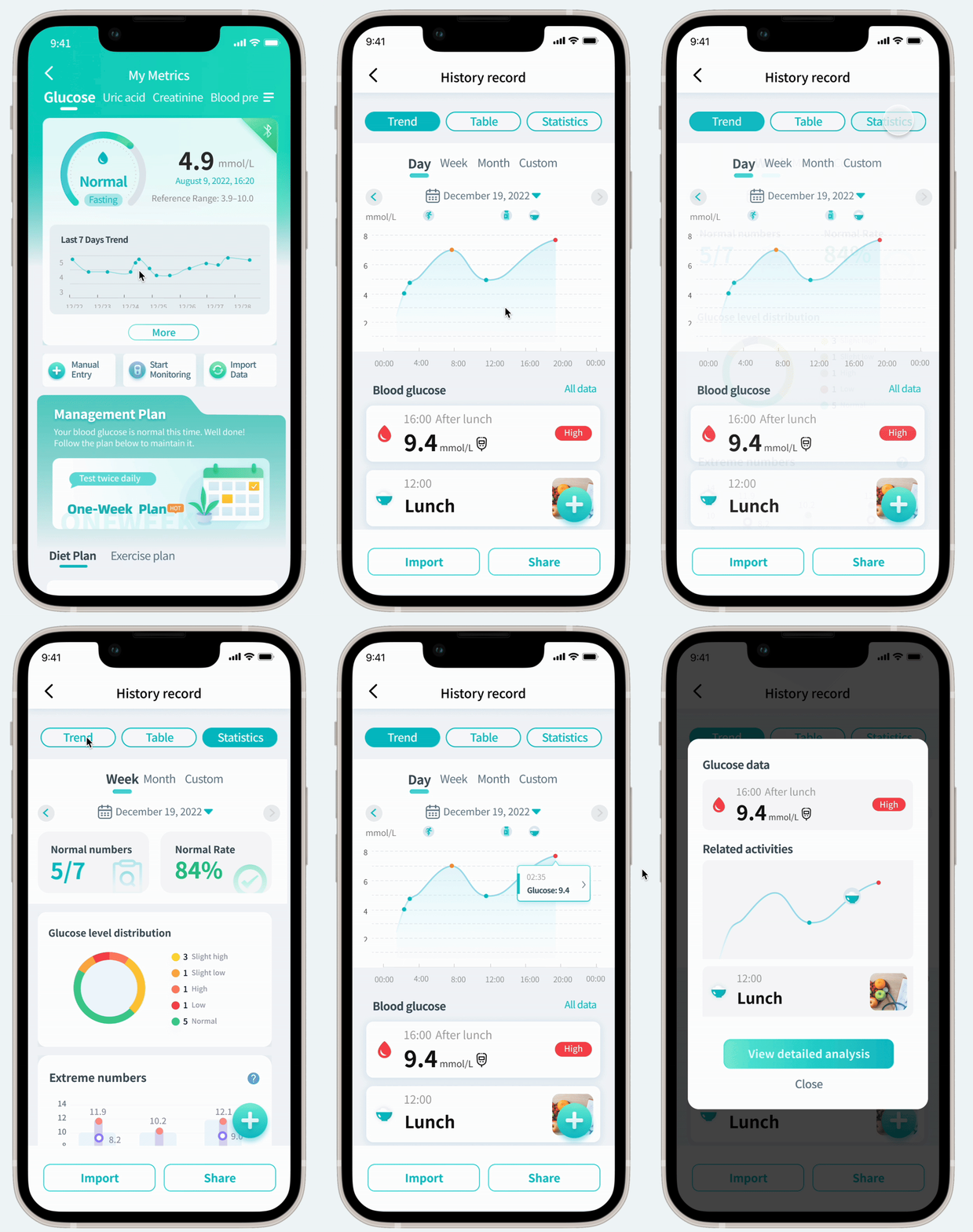
Understanding health data shouldn’t feel overwhelming. I tailored the homepage dashboard to each user by prioritizing the metrics they care about most, and let them dive deeper into any metric through detailed insight pages with trend visualizations, expert interpretations and relevant articles.
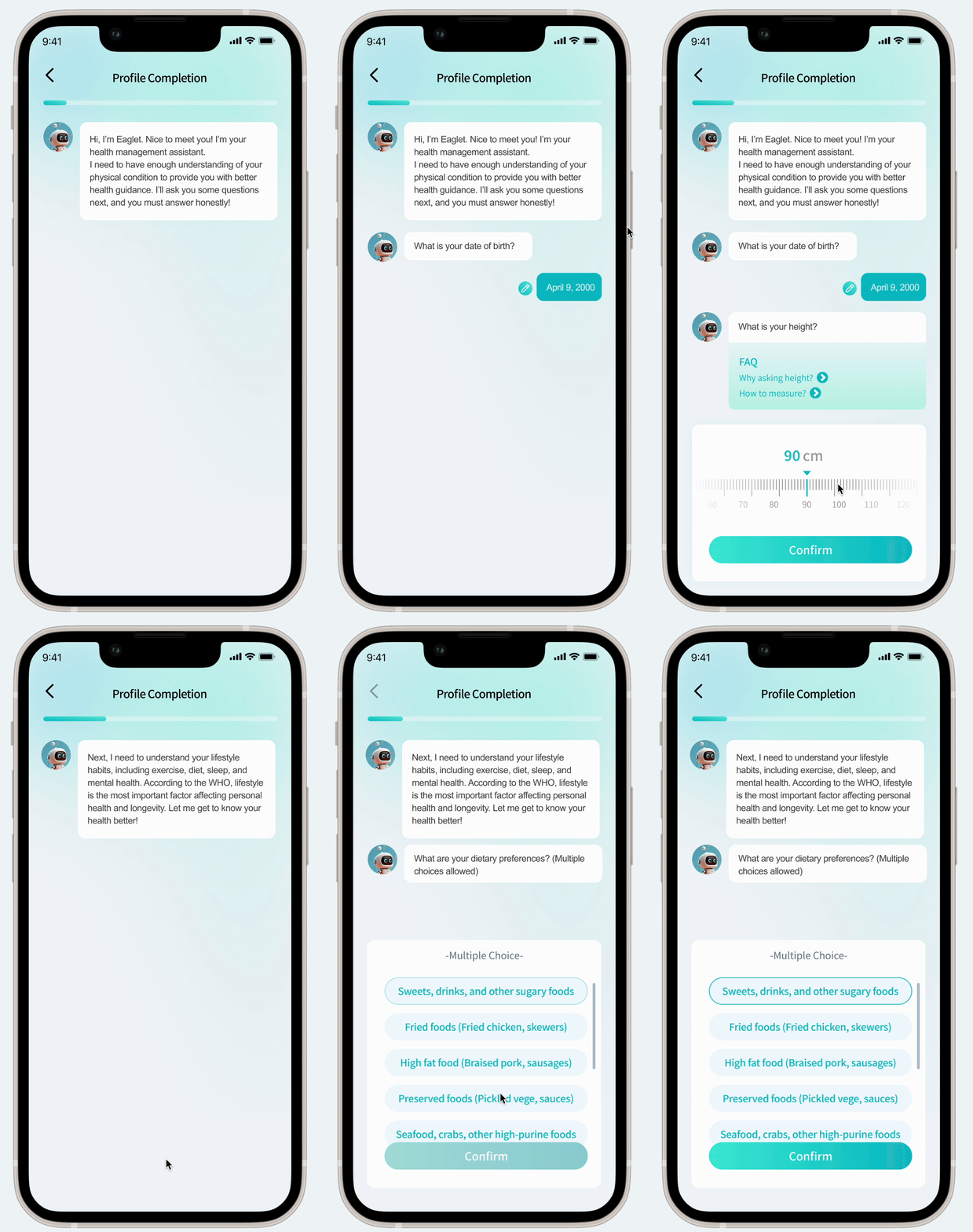
After the initial login, an AI bot guides users through filling in their personal information. This information helps the system customize the homepage for each user.


Each health metric page follows a consistent structure: latest result, trend visualization, personalized recommendations, personalized educational resources, and a call to action to add new data.
On the trend chart, lifestyle icons sit beside the data so users can clearly see the impact of lifestyle on the curve.


Answers “After I know the data, what should I do?”
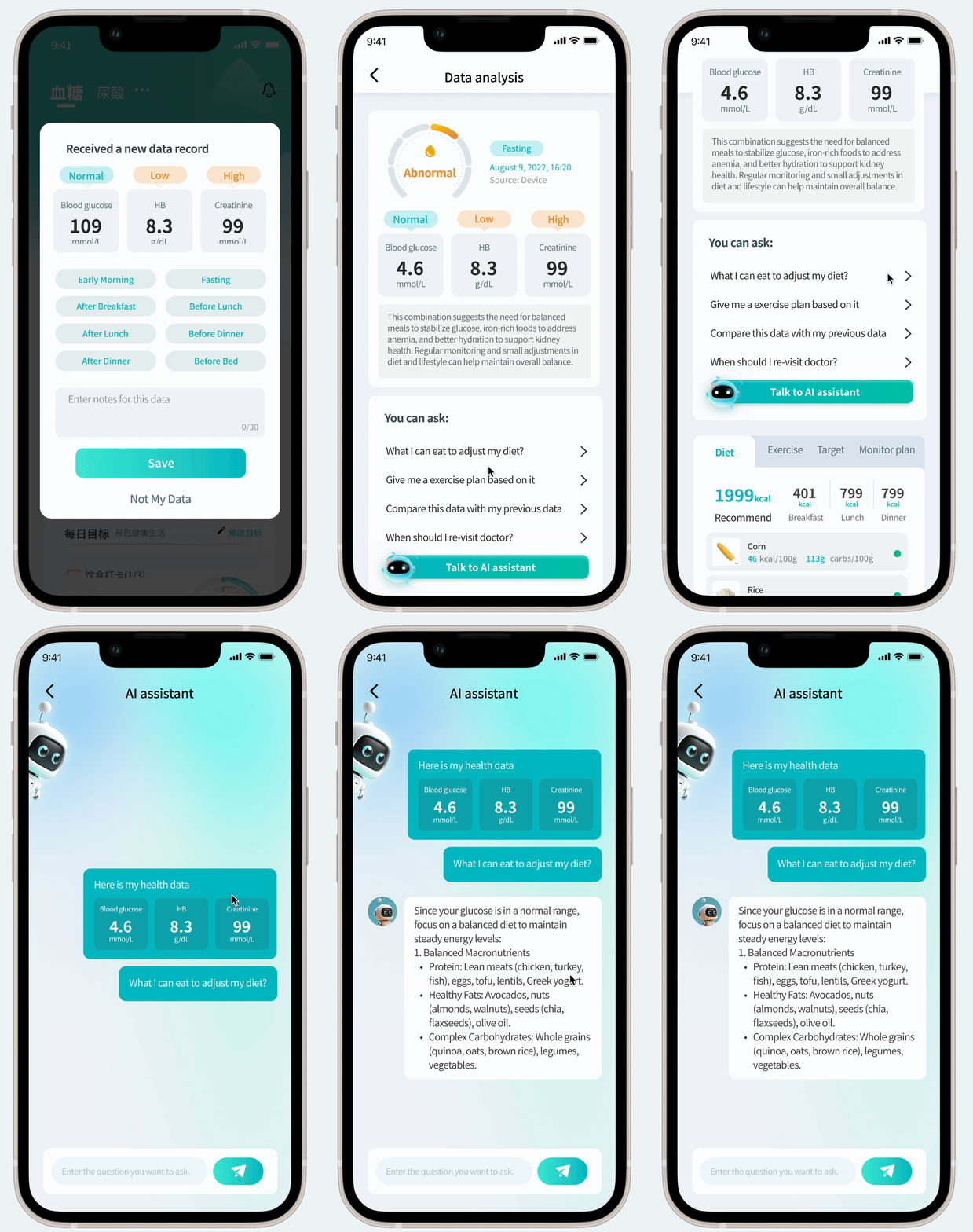
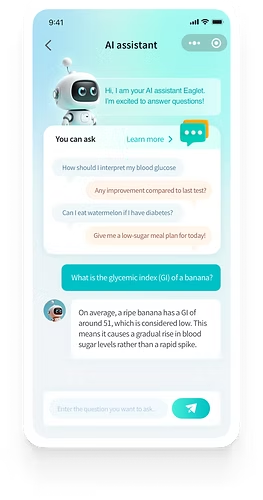
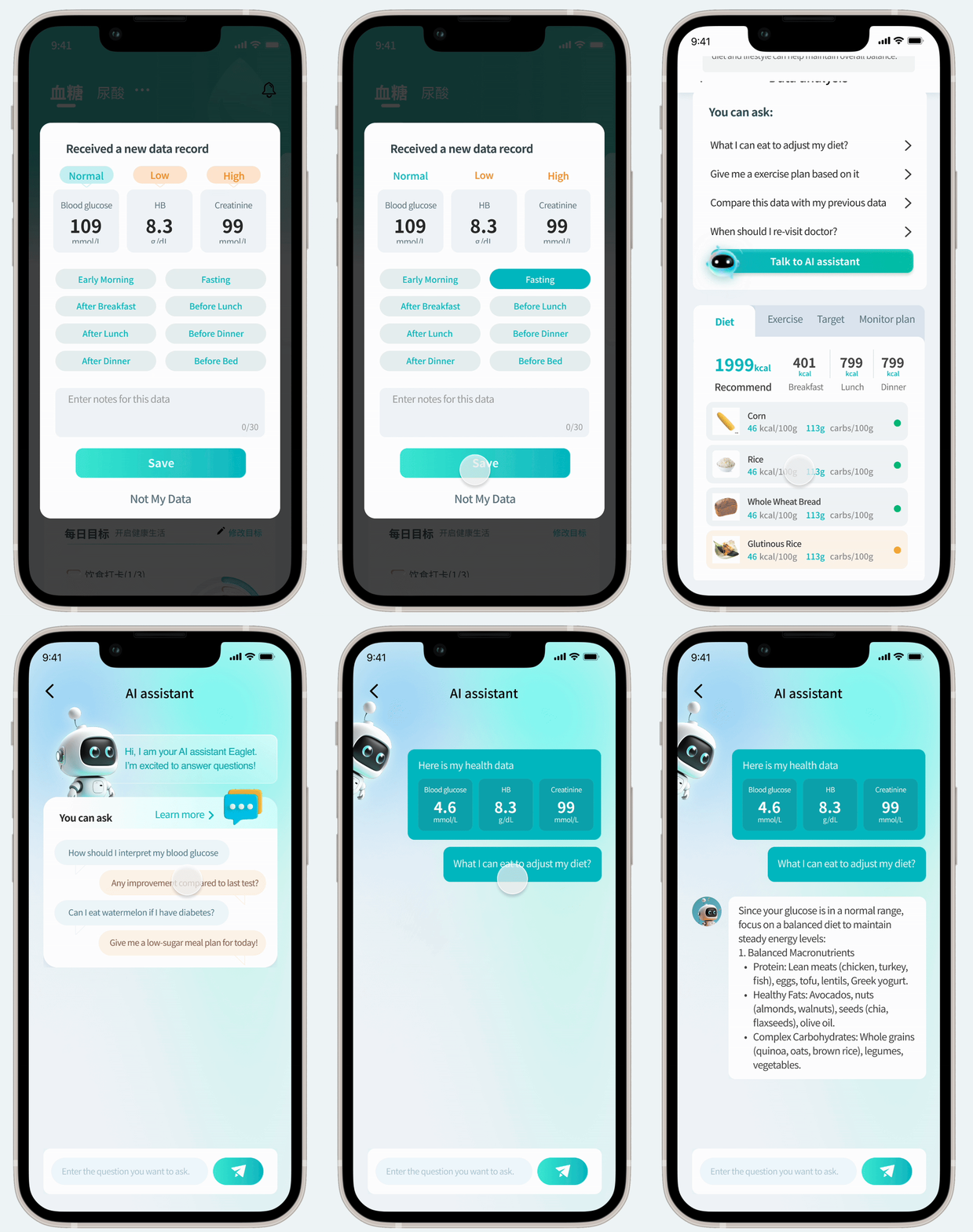
Managing health shouldn’t require constant trips to the doctor for every question. Users have a strong need for real-time answers. To support our Independence principle, instead of a separate, static AI feature, the assistant proactively analyzes user data and profile, predicts potential concerns, and provides timely, actionable advice embedded within the flow.
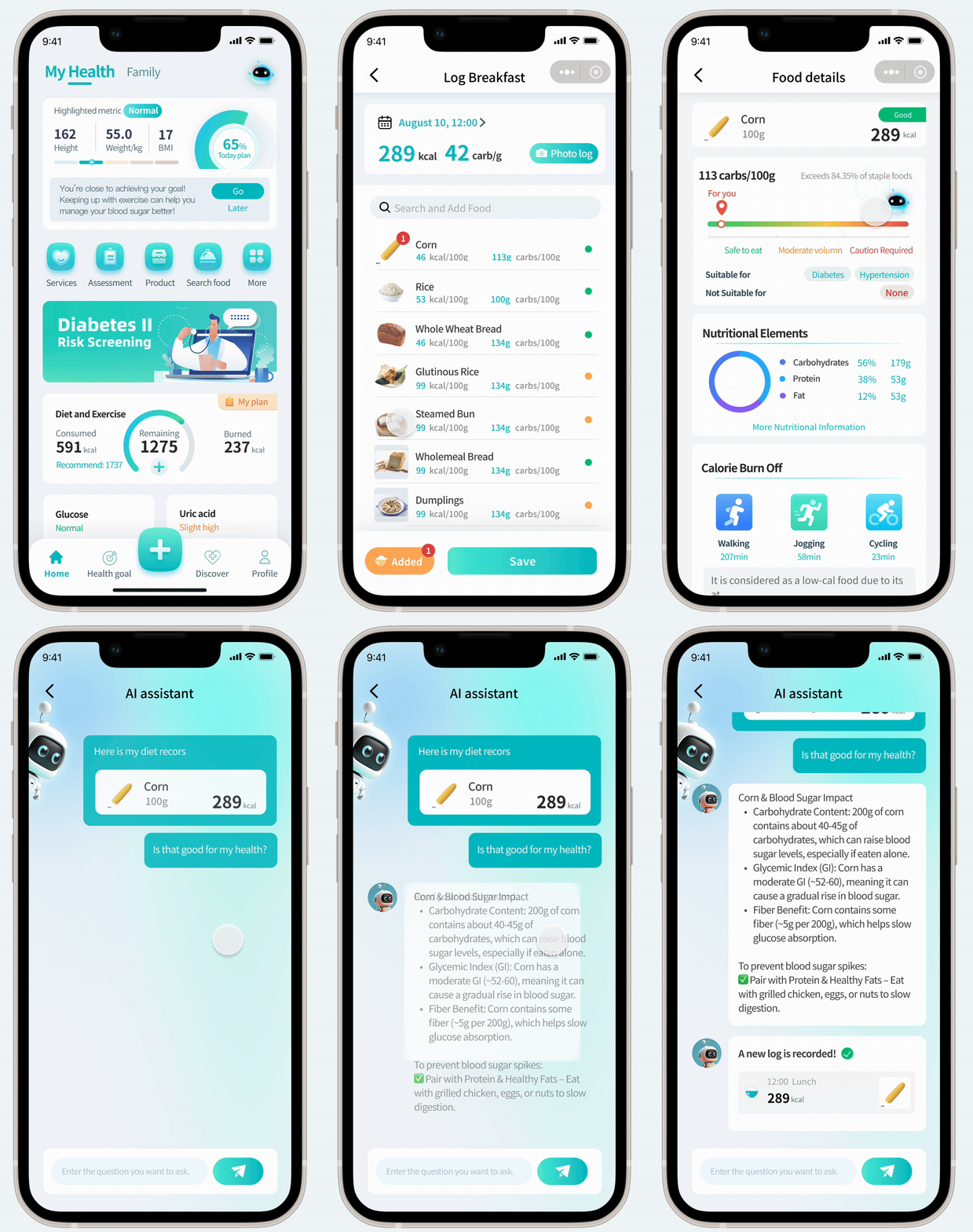
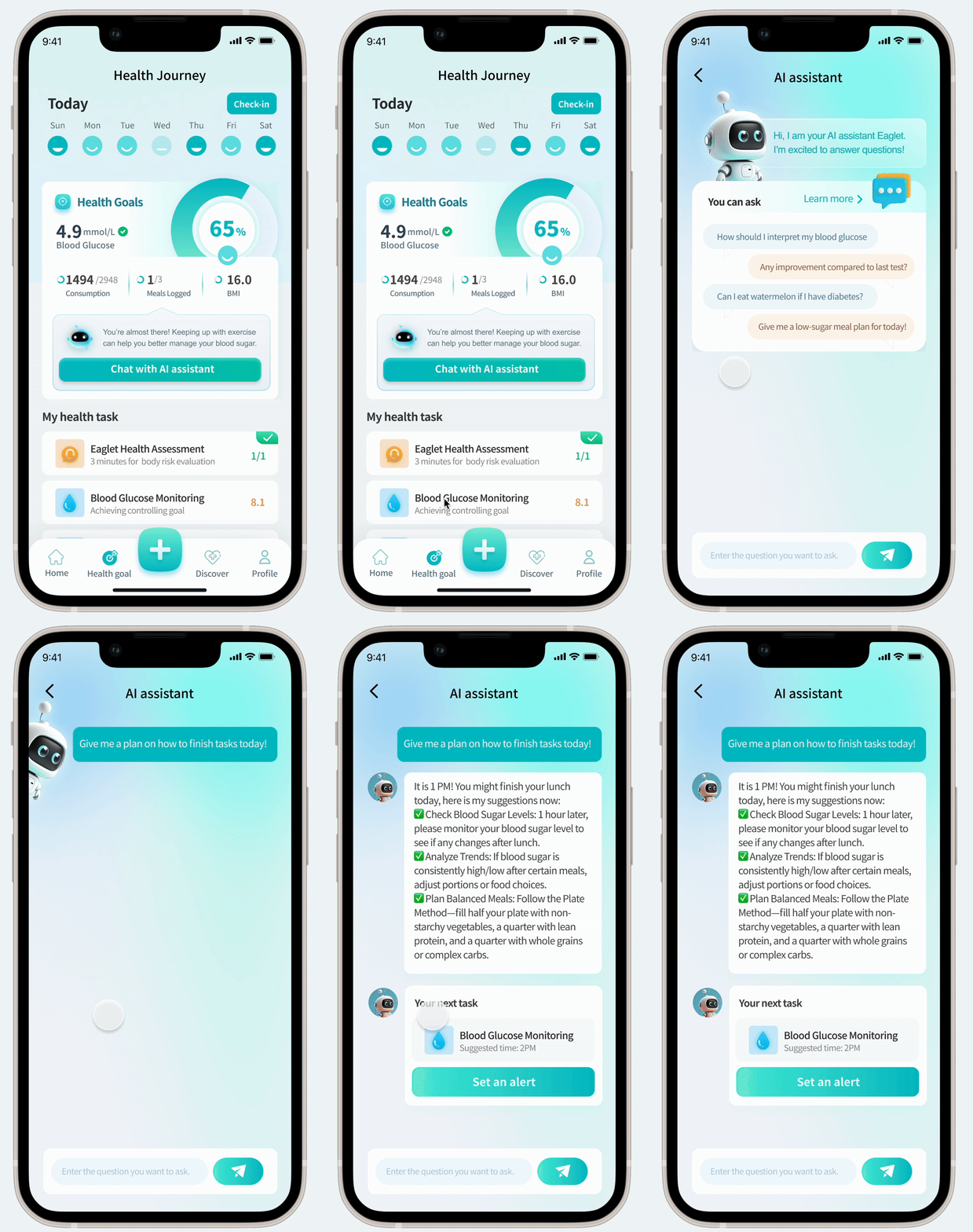
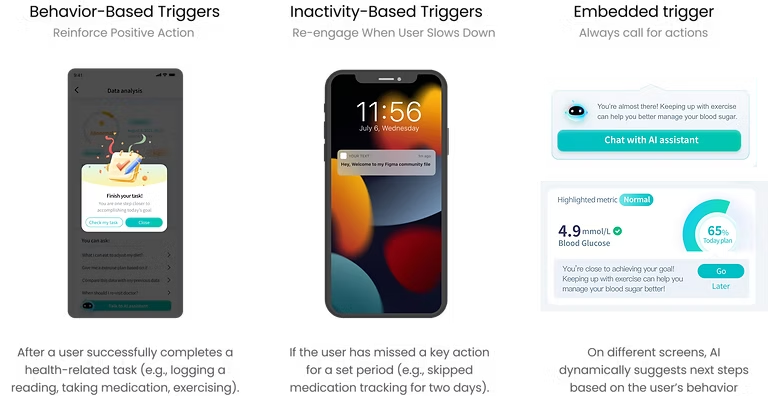
From the homepage, users can access the AI to answer any question using our trained LLM. But we don’t stop there: the assistant appears wherever a question naturally arises.


Apart from recommended lifestyle suggestions, users can easily ask personalized questions. I designed a list of potential questions they may be curious about.


When users record their diet, they are curious how it affects their health; the AI analyzes their records and provides corresponding recommendations.
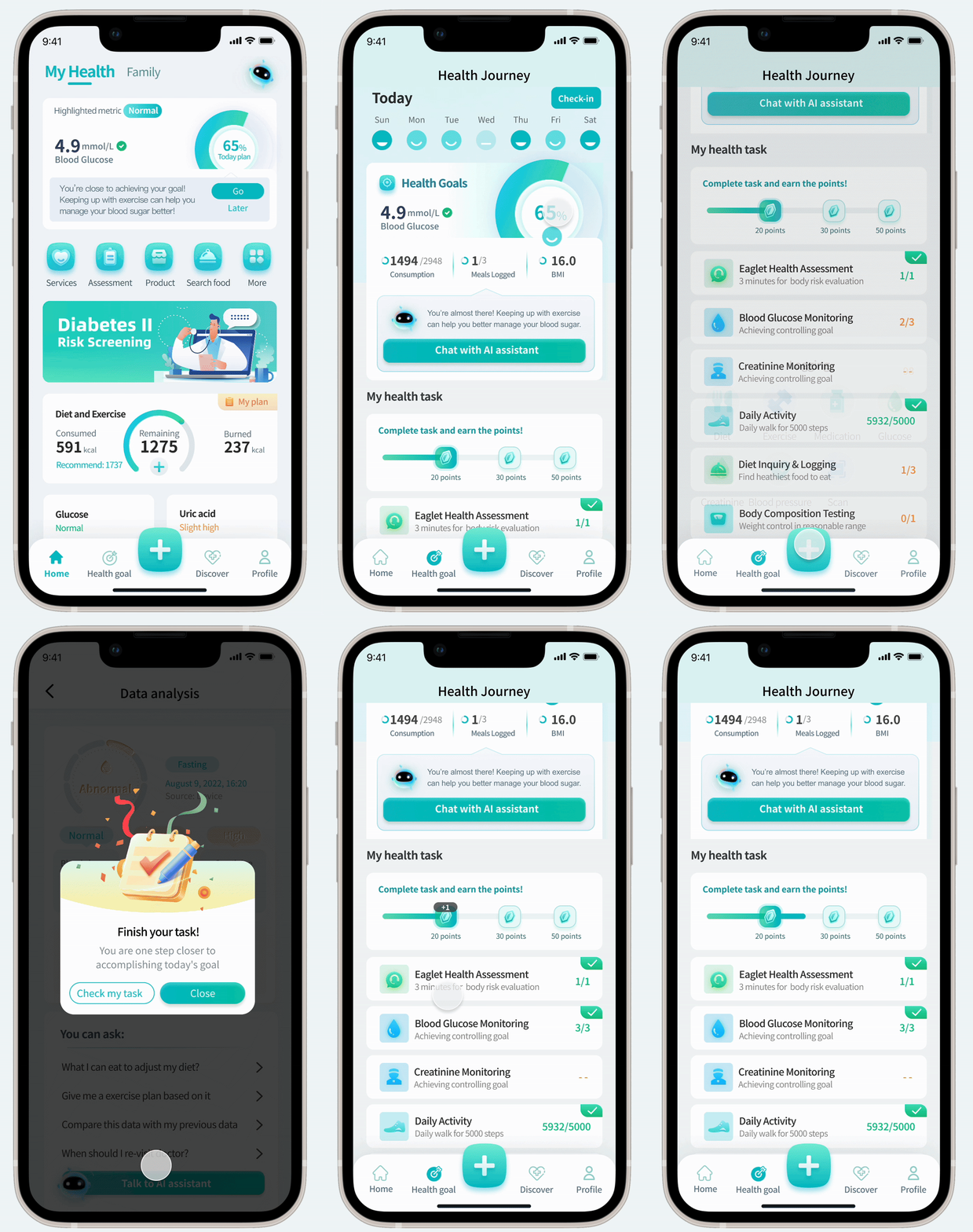
For daily goals, the AI decides which task to do next based on the scenario and progress, and sets alerts in the app to help users complete it.

Answers “How can I stick to a healthy lifestyle?”
Health management is a long-term commitment, requiring consistency in both behavioral habits and health monitoring. The app is designed to cultivate sustainable health behaviors, benefiting users while driving our business goals through long-term engagement.
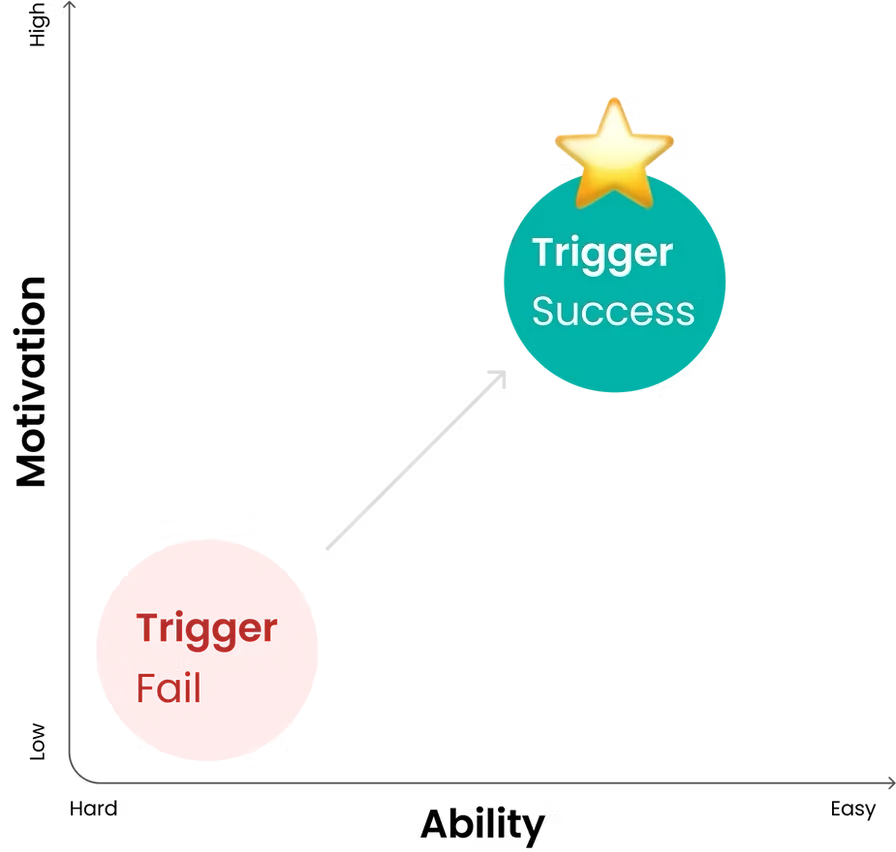
Health management is inherently counterintuitive and difficult to sustain, so Ability tends to be naturally low. The intuitive design and AI guidance above raise ability. Two design challenges remain:

Personalized goals and actionable tasks. Users see a goal on the homepage, generated from their health profile, broken into small, achievable tasks. Frequent wins reduce overwhelm and increase motivation.
Emotional feedback. Completing tasks unlocks emoji-based progress indicators, instant and playful reinforcement.
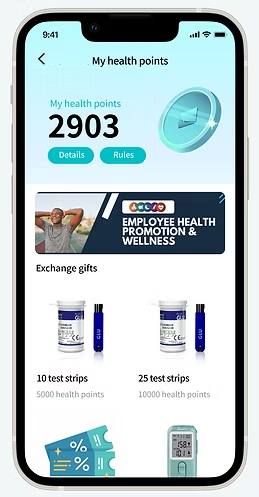
External rewards. Users earn points that can be exchanged for Eaglenos physical products, which turns them into loyal customers of our software + hardware ecosystem and helps us reach our business goals.


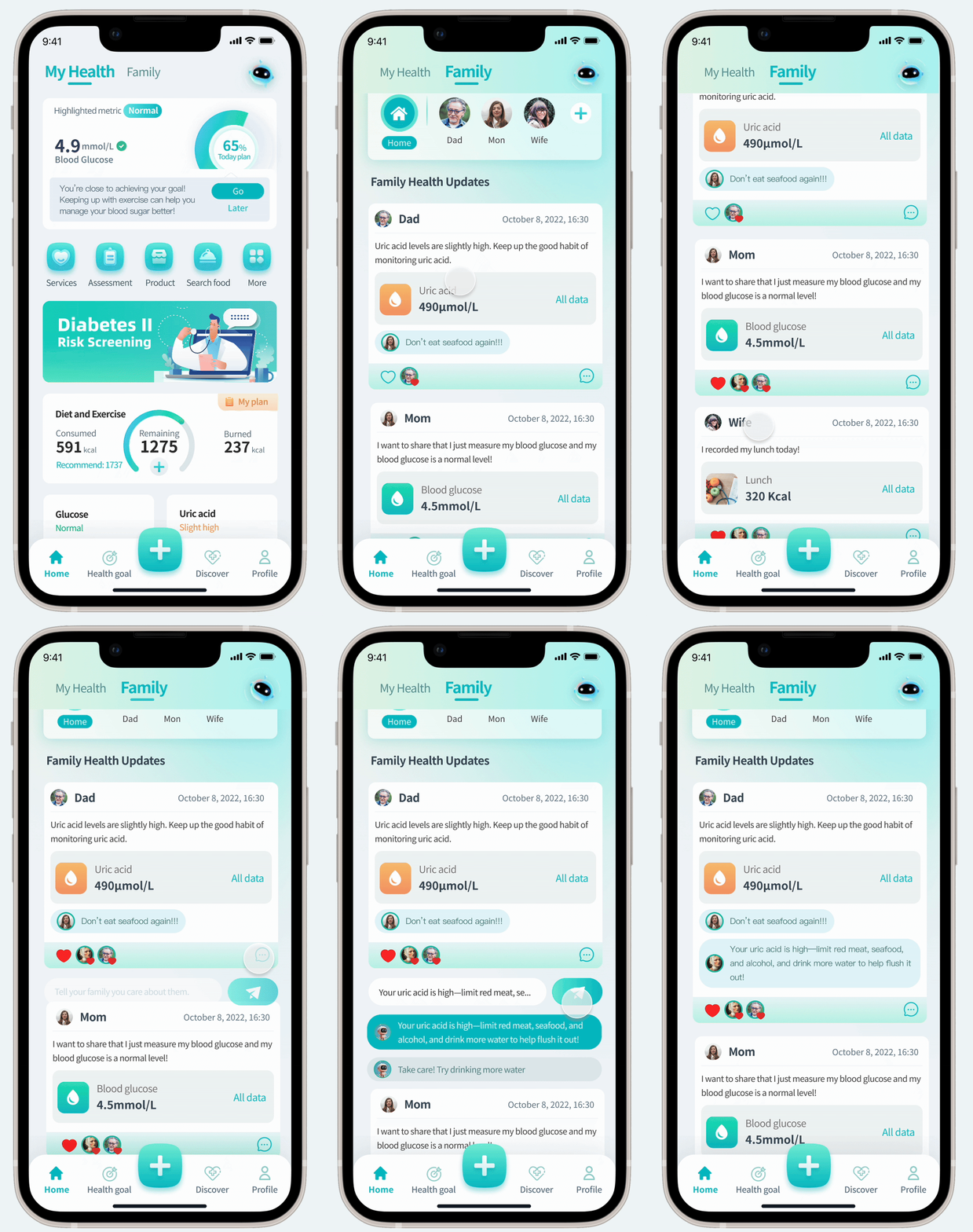
Patients are more motivated when they receive emotional support from family. Following persuasive design principles, particularly Social Proof and Liking, people adopt behaviors they see others engage in and that meaningful relationships reinforce.
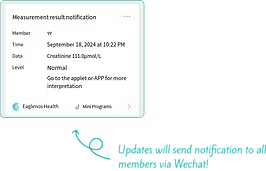
A family homepage. After inviting family members into a group, all members can view each other’s key health metrics. Caregivers can react, comment or send encouragement when a patient updates a record, and updates reach members via WeChat.


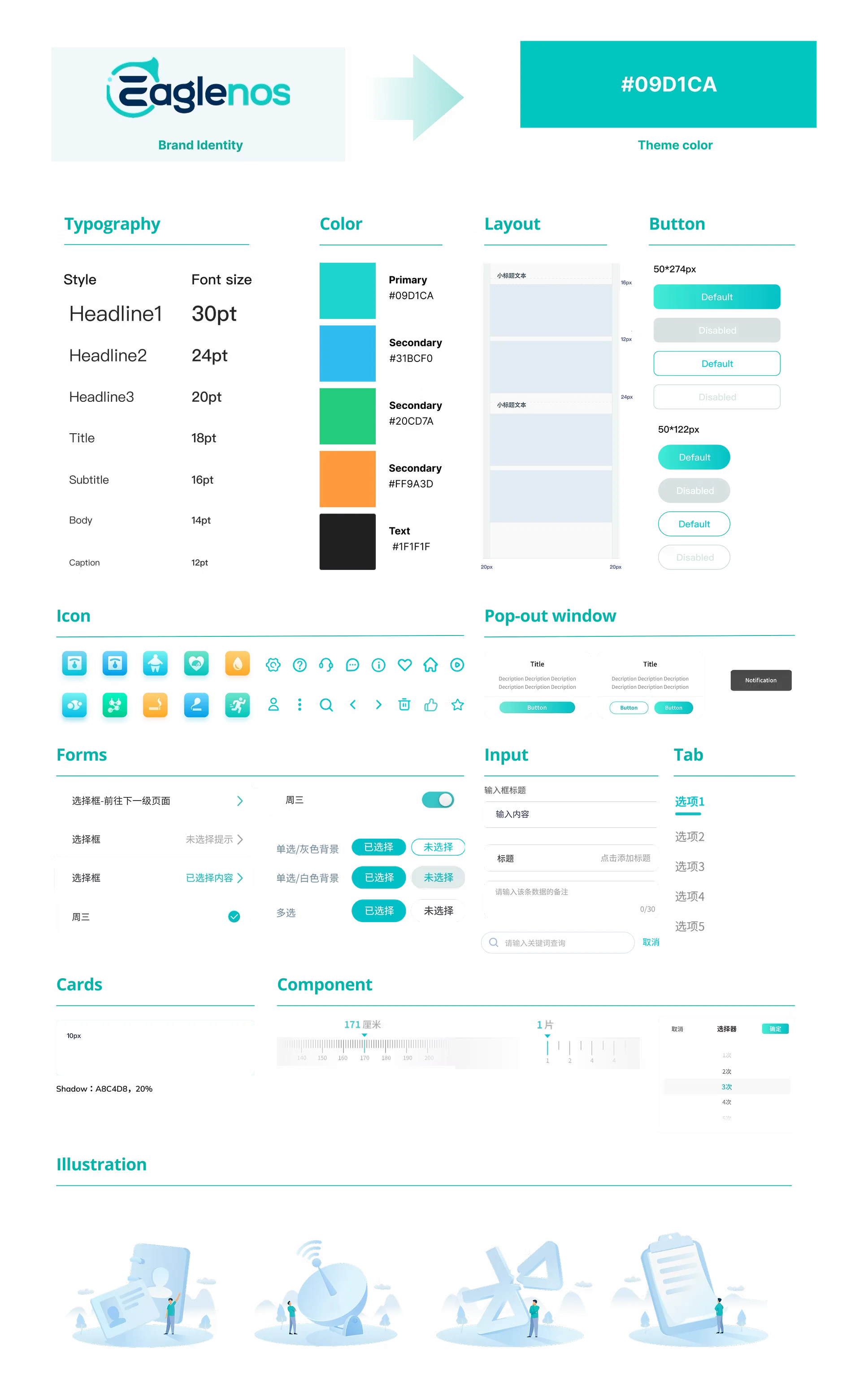
Typography, color, layout, buttons, icons, pop-ups, cards, components and illustrations consolidated into a shared library, so the product stayed consistent as it grew from an MVP into a platform.

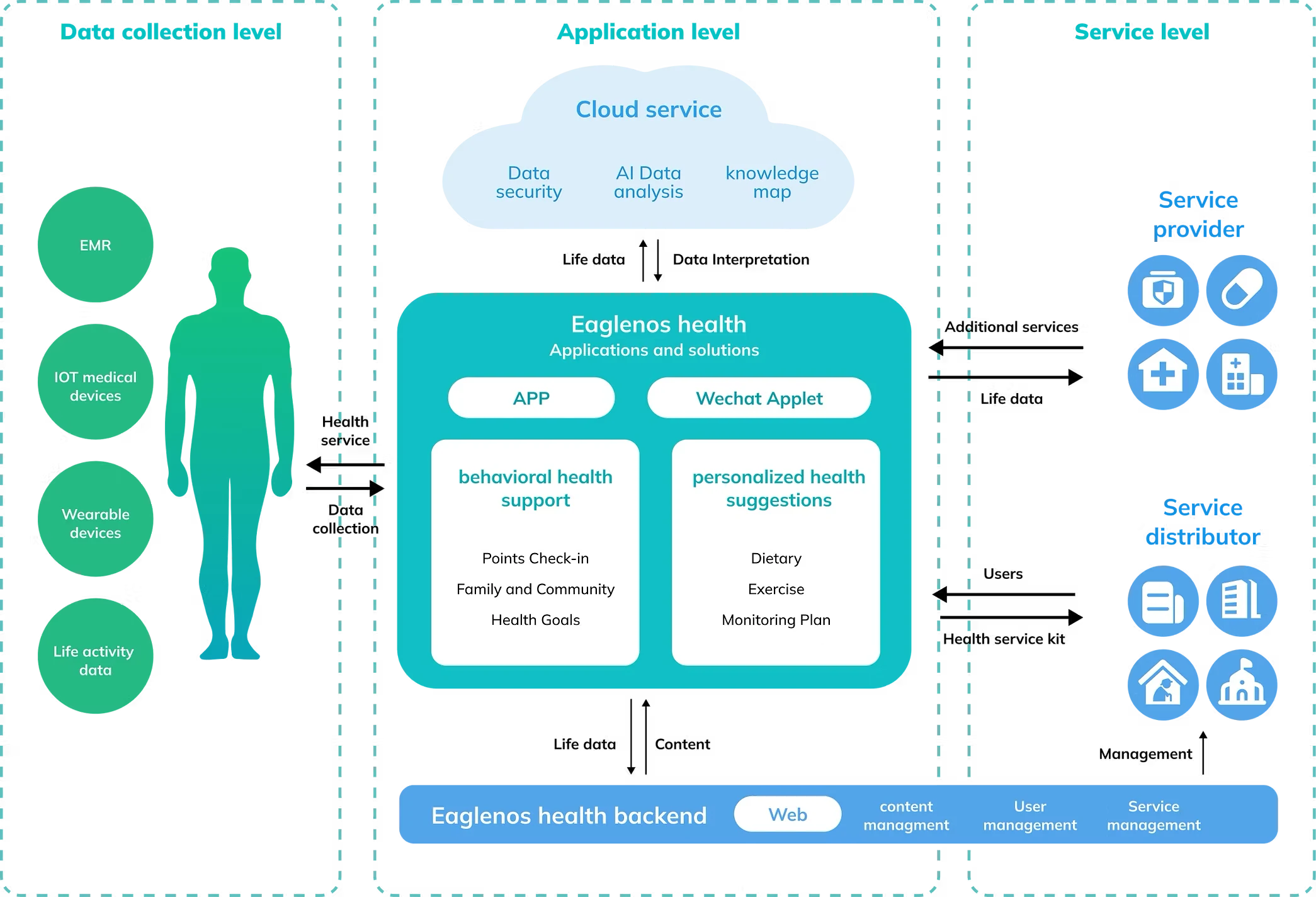
The app is the middle step of a longer path: collect data from devices, manage health in the app, then connect users to services they are willing to pay for.
👁 Know the health condition.
❤️ Better health outcomes.
👍🏻 Integrated experience. Users pay for additional services. See Awakefit ↗

One of the most rewarding moments in this project was hearing a user say:
“I never thought I could stick to a health routine for this long. But with Eaglenos Health, I’ve stayed on track for over six months. I see real improvement. I think I understand my own health better.”Eaglenos Health user
I see the true impact of design in healthcare. It’s not just about usability or engagement metrics, but about empowering people to take control of their well-being.
While business success is important, what truly drives me is seeing real impact: helping people feel supported, take action, and experience positive change in their health. Knowing that my work can empower individuals, support families, and contribute to a healthier society is my greatest takeaway from this journey.
More advanced behavioral techniques and gamification strategies could further improve habit formation and long-term retention.
Ensuring that elderly users and those with limited digital literacy can easily navigate and benefit from the product.
A structured system in the early stages would streamline future iterations and reduce redesign effort.
More in-depth user research and longitudinal studies would provide data-backed validation for design solutions.
Peer groups or community-driven support could strengthen motivation beyond family interactions.